
THE FIRE IN OUR BLOOD
TAINO SPIRIT, INDIGENOUS RESISTANCE & THE TRUTH BEHIND THANKSGIVING
INFORMATIVE
There’s a certain fire embedded in the DNA of the Taíno — and really, in all Indigenous peoples of the Americas. A wildness. A roar. An unbreakable will that cannot be tamed or negotiated with. It peaks and erupts, and when it does… all hell breaks loose. We are of Taino ancestry and the Taino were Arawak and Arawaks were not to be messed with.
Ask anybody: You ever tried to calm down a pissed-off Puerto Rican? Good luck. You might as well step out of the blast radius and wait it out, because messing with a Boricua mid-rage is basically a suicide mission. That volcanic energy didn’t just appear out of nowhere — it’s legacy. It’s inheritance. It’s what’s left of thousands of years of resilience, pride, and refusal to kneel.
Because when adversity came, when conflict rose… when death stared them in the face…
It was the Indigenous tribes of the Americas who fought until their last breath.
They were decimated, yes — by plague, by steel, by trickery, by sheer brutality — but they did not fold. They did not hand each other over to the highest bidder. They did not compromise their humanity just to survive. Many chose death over subjugation. Many fought into oblivion before letting their identity be erased.
Had our ancestors been more docile, more compliant, more submissive —even the least bit greedy, maybe the whole map of humanity would look different today. Maybe the ones placed on reservations would have been others, if you catch my drift. Maybe Native nations would dominate the world of athletics, entertainment, and cultural molding. But that’s not the story history wrote, because Indigenous peoples did not play that shit. Natives did not seek gains nor did they betray their own.
Several African kingdoms, namely the Kingdoms of Yeke and Benin and the Oyo Empire also contributed to the brutal transatlantic slave trade, benefiting economically while causing immense suffering and loss of life. None of that ever transpired among the Indigenous Natives. Period.
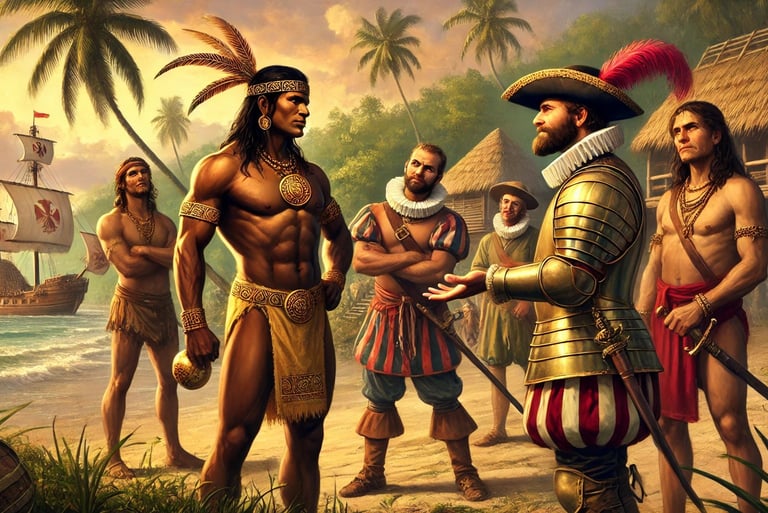
And from when European ships first touched our shores, Indigenous nations extended hospitality — but soon realized what the newcomers were really after. And when the truth revealed itself, everything went south fast.
The Thanksgiving Myth vs. the Indigenous Reality
Today, Thanksgiving is packaged as a warm, peaceful interaction — two peoples sharing a feast, a day for gratitude and togetherness. But between that romanticized autumn meal of 1621 and today?
There were centuries soaked in blood.
Most Americans have no idea. Historical sources document:
Hundreds of conflicts and over 1,500 attacks by colonial and U.S. forces on Indigenous tribes.
The so-called American Indian Wars, spanning from the early 1600s to the early 1900s.
One military record counts 1,800 conflicts from 1830–1897 alone.
An 1890 U.S. Census report admitted the government had participated in over 40 full wars against Native peoples — not counting the countless raids, massacres, and “skirmishes” that didn’t even make the books.
Ask any historian: numbers vary because so much violence was hidden, minimized, or unrecorded. The true count is beyond quantifying.And while the Pilgrims were eating well in 1621, there was no peace elsewhere.
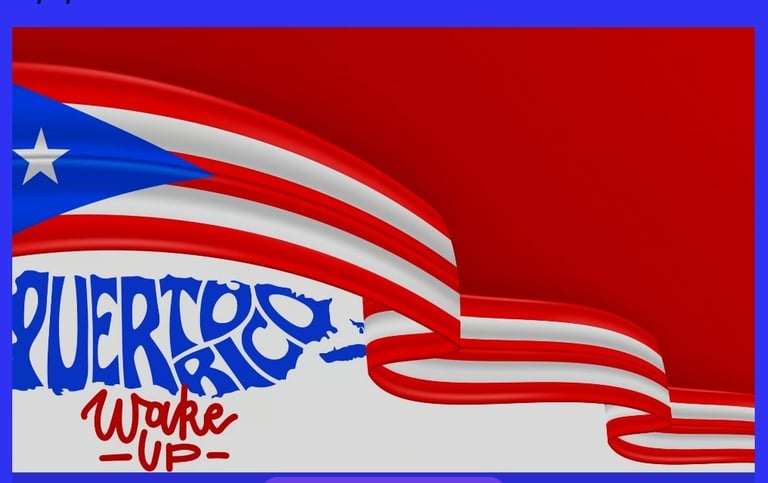
Down in Borikén — Puerto Rico — they were recovering from a Dutch attack just a month earlier.
The Taínos, already on the edge of being wiped from the island, watched the Spanish defend their claim with European steel while their own population sat at the brink of erasure. The final thoughts they must've had!
So when modern Puerto Ricans “celebrate” Thanksgiving, let’s be real:
We’re not celebrating. We’re playing along — like the rest of the world playing ostrich, burying its head in holiday distractions, pretending everything’s fine.
A Call to Boricuas — and to All Indigenous Descendants
As a modern Puerto Rican, this is what I say:
We don’t need to treat Thanksgiving like a sacred American ritual.
We don’t need to pretend the pretty story ever happened the way it’s told in schoolbooks. But we can use the day. We can honor the warriors whose blood still moves through us —
the Taíno, the Arawak, the Indigenous nations of the Caribbean, the tribes of the Americas who refused to bow.
Instead of celebrating a myth, we can mark the day with remembrance.
A moment of silence?
A moment of gratitude for the ancestors whose fire we inherited.
A moment to acknowledge what they endured so we could still exist today.
And whether people recognize it or not… Indigenous blood still burns. Indigenous spirit still fights. Indigenous fire still lives in us. And that, more than any myth on a dinner table, is worth honoring.
FURTHER READING ON NOTABLE TAINOS: Throughout Caribbean history, a handful of Taíno figures rise above the shadows of colonization, remembered not just for who they were, but for the defiance they embodied. Their lives tell the story of a people who refused to surrender even as the world around them changed forever.
One of the most revered is Anacaona, the legendary poet-queen of Xaragua in what is now Haiti and the Dominican Republic. More than a political leader, she was celebrated for her artistry and diplomacy. Yet when Spanish aggression escalated, she chose resistance over submission. Her refusal to bow made her a symbol of Taíno dignity, and it ultimately cost her her life when the Spanish captured and executed her.
Another towering figure is Hatuey, often called the first freedom fighter of the Caribbean. Originally from Hispaniola but known for leading resistance in Cuba, he rallied the Indigenous population against the Spanish advance. His final moments — defiantly rejecting conversion before being burned at the stake — cemented him as a hero throughout the region and a powerful emblem of anti-colonial struggle.
Before European invasions reshaped the islands, Caonabo was one of the most formidable Taíno rulers. As cacique of Maguana in Hispaniola, he confronted the Spanish head-on, orchestrating some of the earliest organized military actions against them. His capture and death en route to Spain reflect the brutal tactics used to dismantle Indigenous leadership.
These leaders — a queen, a warrior, a cacique — stand today as reminders of the Taíno spirit: courageous, unyielding, and unwilling to accept domination. Their stories continue to echo across the Caribbean, preserving the legacy of a culture that refused to vanish quietly.


THE FOLLOWING BLOG ARTICLES ARE PUBLISHED ON EXTERNAL SITES - IMAGERY BELOW LEADS TO MY OTHER WEBSITES
UPGRADE YOUR PUERTO RICAN HOLIDAY MENU BY RETIRING OUTDATED SLAVE FOOD
ISLAND PRIDE -VS- NUYORICAN REALITIES
AN ATTEMPT TO DECIPHER MY PUERTO RICAN DNA
A WATERED-DOWN BLOODLINE - ETHNIC CULLING AND GENOCIDE


ANOTHER LOSING BATTLE: CANCER DISPARITIES AMONG WOMEN OF COLOR, PRIMARILY BORICUAS
LOST TRADITIONS
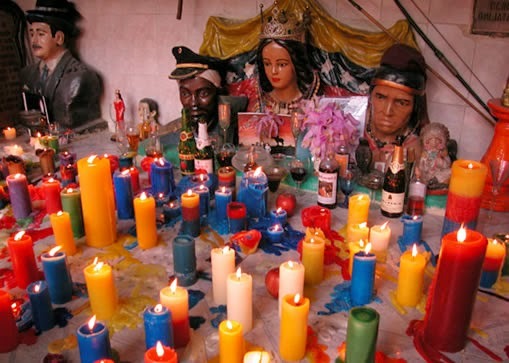
ABOUT VOODOO'S LITTLE SISTER, SANTERIA